
Carbon and sludge in circulation
Cracking products settle where flow slows; heat transfer falls before any alarm.
Thermic fluid makes carbon every hour it runs hot; the first sign is rising fuel use. We filter it on a slip stream.
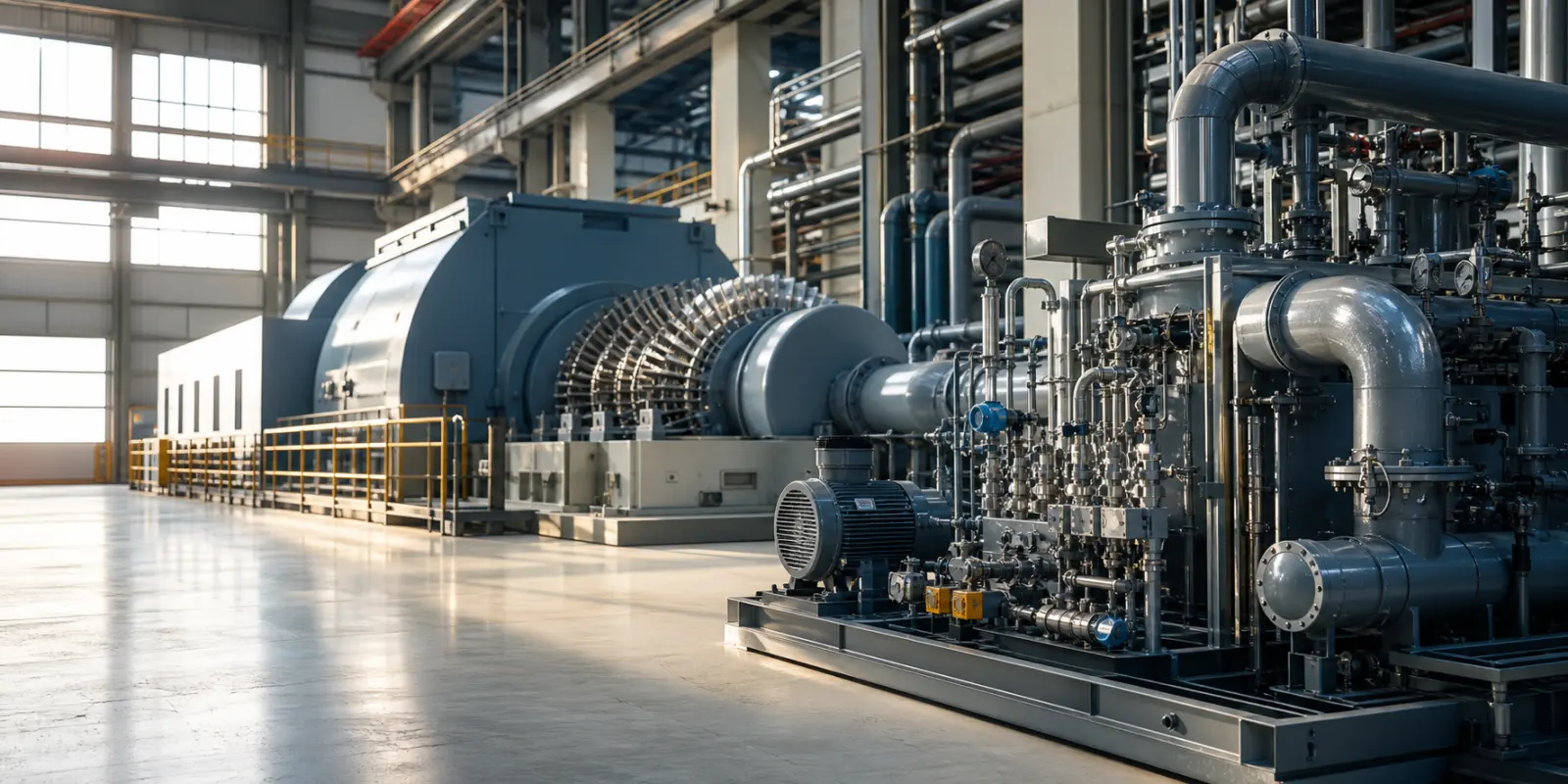
Cracking products settle where flow slows; heat transfer falls before any alarm.
A fouled circuit needs more fuel to hold process temperature.
A strainer collecting black solids is catching a fraction of what circulates.
Draining thousands of litres of hot fluid is hard to schedule.
Fuel is the running cost and it compounds. Deferring the fluid change by years is the easiest saving.
The business caseOperating temperature is the first thing we ask, because standard hardware cannot take hot thermic fluid.
Takes a slip stream at operating temperature and returns it clean.
Media specified for high temperature duty and the solids we expect.
Pressure trends and sampling, so the change is decided on evidence, not age.
8,000 litres of four year old fluid, a strainer filling weekly. The solids came out over weeks, the change was deferred, production never stopped.
A typical project: customer not named, figures indicative. Verified site data available on request.
Case studies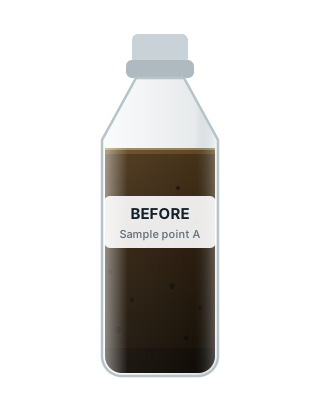
Before
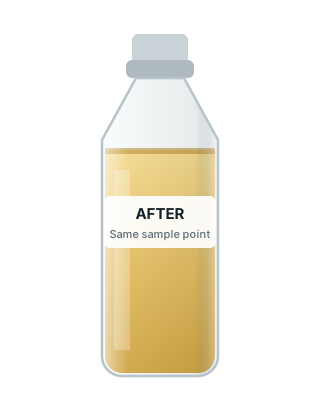
After
Yes, with the correct specification. Standard hydraulic filtration hardware is not suitable for hot thermic fluid.
Normally no. The connections go in at a convenient point with the system running.
It stops fouling getting worse and removes what circulates. Baked-on deposits need mechanical cleaning.
Send fluid type, volume, operating temperature and strainer cleaning frequency. That is enough to specify the unit.