
Oil filtration, contamination control and fluid reliability engineering
VJ TechServe designs and installs oil filtration for hydraulic, turbine, gear, transformer, heat transfer and fuel systems, using CJC depth filtration from C.C.JENSEN A/S of Denmark.
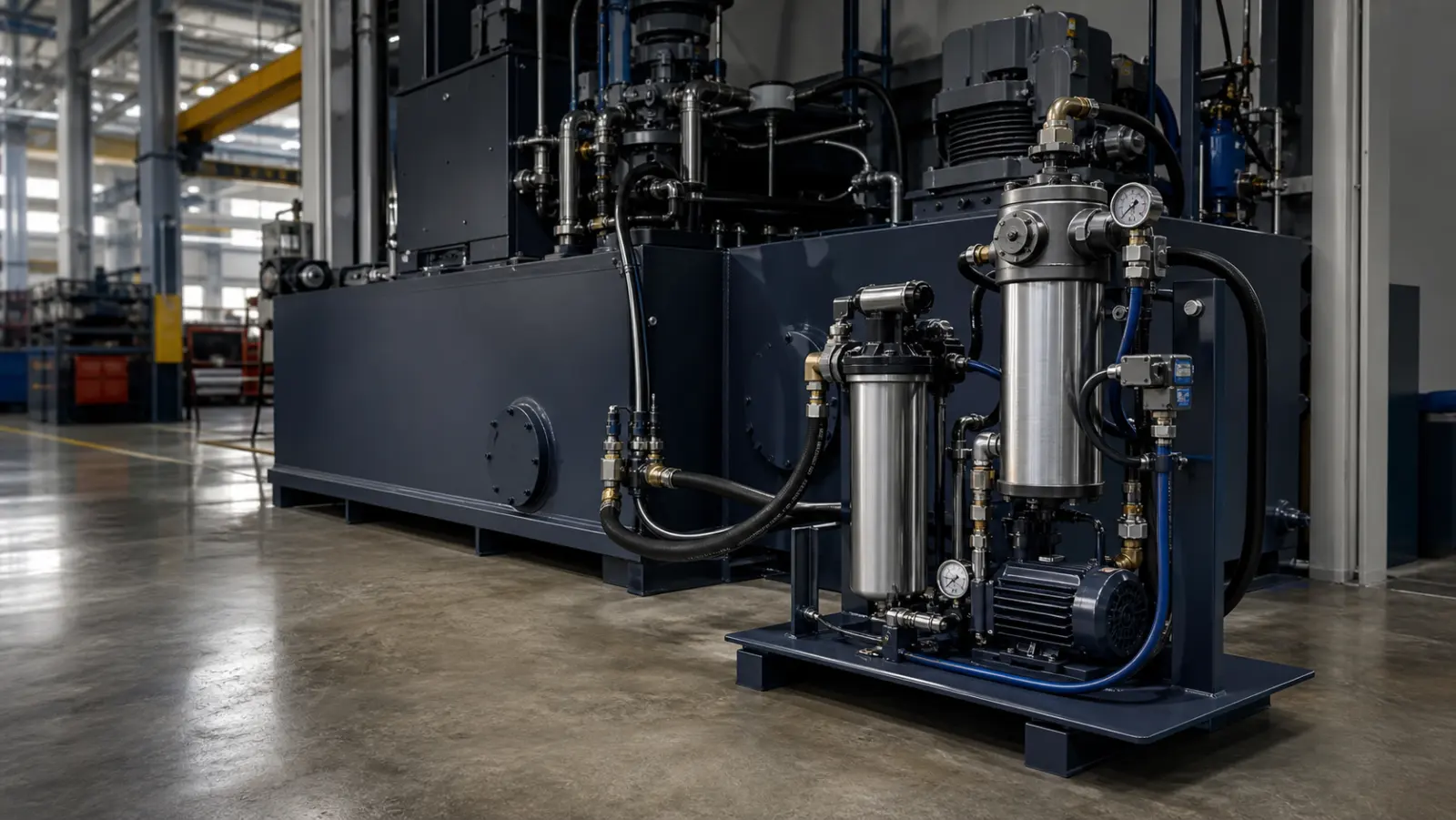
What your existing filter does
The filter on your machine takes full pump flow and has a bypass valve. When the element loads, unfiltered oil returns to the system.
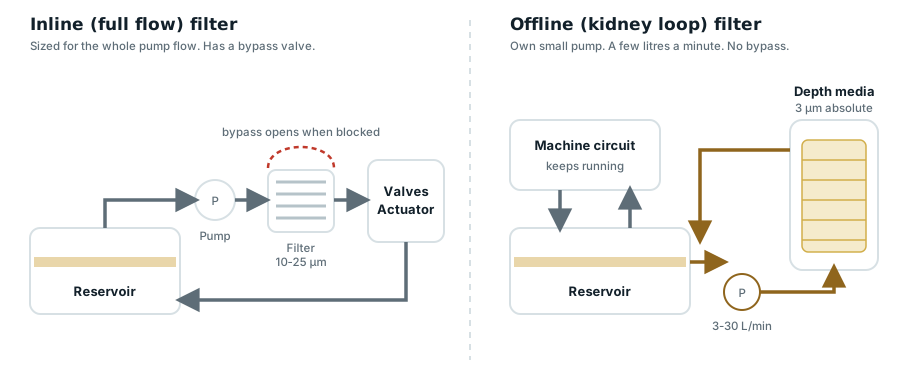
| Inline / full flow | Offline / kidney loop | |
|---|---|---|
| Flow through the filter | Whole pump output | 3 to 30 L/min |
| Practical media rating | 10 to 25 µm | 3 µm absolute, 0.8 µm nominal |
| Bypass valve | Yes, opens when loaded | None |
| Removes water | No | Free and emulsified water |
| Change the element | Machine stops | Machine keeps running |
Swipe sideways for all columns.
The oil, before and after
Same tank, same sampling point, a few weeks apart.
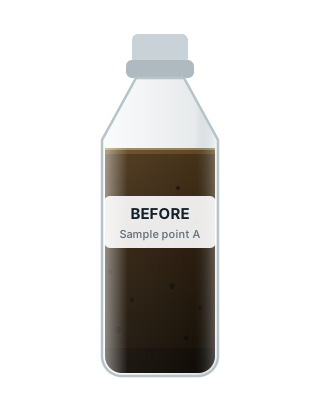
Before
Dark and hazy. Water above the alarm limit.
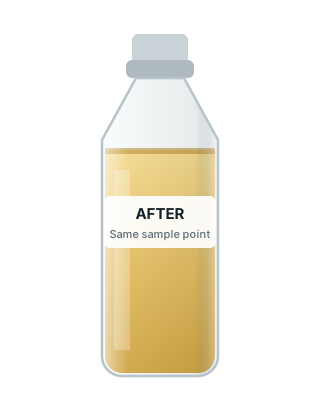
After
Same oil and machine, after offline filtration.
Illustration. Site photographs available on request.
Who it has to convince
Maintenance manager
Fewer breakdown calls and a better oil analysis trend.
See the numbers →
insightsPlant head
Availability, deferred capital and a defensible payback.
See the payback →
ecoESG and sustainability
Waste oil is reportable under BRSR. Longer oil life cuts it.
See the reporting angle →
Applications by industry
Power generation
Varnish in turbine lube oil and EHC fluid.
Power generation
precision_manufacturingHydraulic manufacturing
Sticking servo valves and short element life.
Hydraulic manufacturing
constructionCement and mining
Dust in kiln, crusher and mill gear oil.
Cement and mining
directions_boatMarine and offshore
Water in lube oil, gear oil and diesel.
Marine and offshore
local_fire_departmentHeat transfer oil
Carbon and sludge in thermic fluid.
Heat transfer systems
transformTransformer oil
Moisture removed with the transformer in service.
Transformer oil
Common questions
What is offline oil filtration?
add
A small pump draws oil from the tank, passes it through fine depth media and returns it. It cleans while the machine runs.
How is it different from my inline filter?
add
The inline filter takes full pump flow and bypasses when it blocks. An offline unit has no bypass, filters finer and holds more dirt. Keep both.
Does filtration remove water from oil?
add
Yes. CJC media absorbs free and emulsified water without heat or vacuum. For heavier loads we fit a CJC Desorber: the oil is warmed to 70 °C and meets a counter flow of cold dry air, which carries the water off. It takes free, emulsified and dissolved water down to below 500 ppm, and breaks stable emulsions. We do not use vacuum dehydration. See Water removal technologies.
Which oils can you filter?
add
Hydraulic, turbine, gear, transformer, heat transfer, quenching and honing oils, diesel and water glycol fluids.

CJC filtration, from C.C.JENSEN A/S of Denmark
CJC has built cellulose depth filtration since the 1950s. We size the unit, pick the insert grade and install it.
- 3 µm absolute depth media
- Particles, water and oxidation products
- Insert grades for every fluid
CJC® is a registered trademark of C.C.JENSEN A/S, Denmark.
Tell us what is in the tank
Send a recent oil test report, or just the machine and tank details. We will tell you what the oil needs.